
The Government’s skills agenda
The Prime Minister told the Labour Party conference that he will introduce a new target for two-thirds of young people to either go to university, pursue further education, or undertake a gold-standard apprenticeship by the age of 25.
The funding will come from the existing Spending Review settlement, Labour said, and will support 20,000 more students.
The new target also includes an ambition for 10% of young people to be pursuing higher technical education or apprenticeships that the economy needs by 2040.
With these goals in mind, a push for apprenticeships in the gaming sector would be a net benefit both for young people trying to learn creative skills and for companies looking for fresh talent.
Investment in the gaming industry
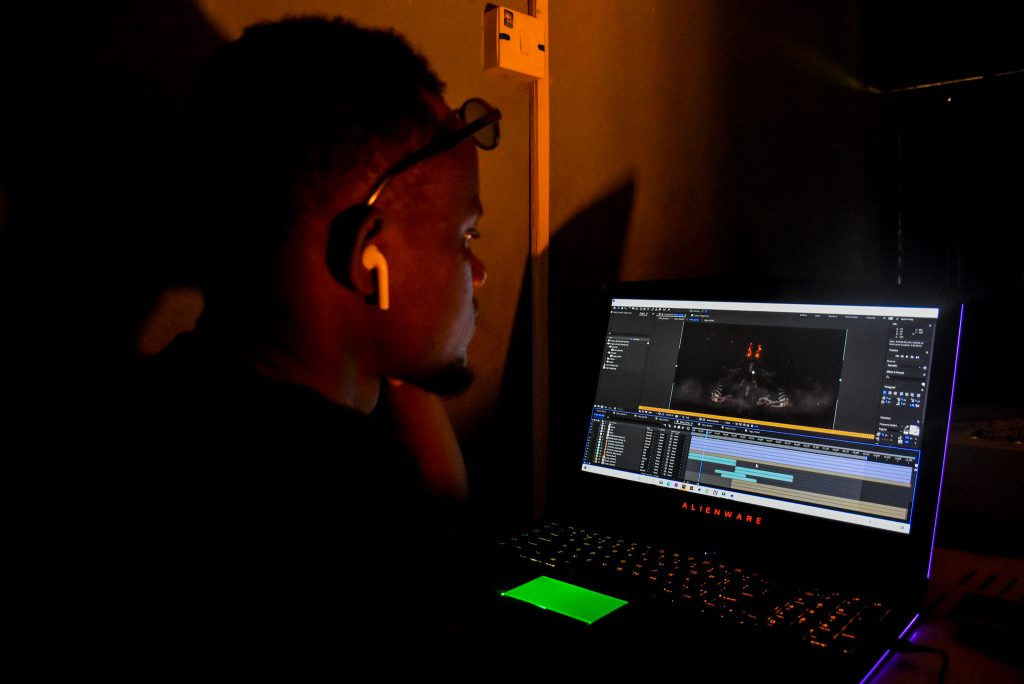
The UK gaming industry is a success story. It generates billions in revenue, and our country has created titles such as Grand Theft Auto, Football Manager, and the Total War series. It also creates a pipeline for skilled, technical, and creative jobs. The industry is not just centered in London either; there are clusters of activity all over the UK in places like Guildford, Cambridge, Newcastle, and Dundee.
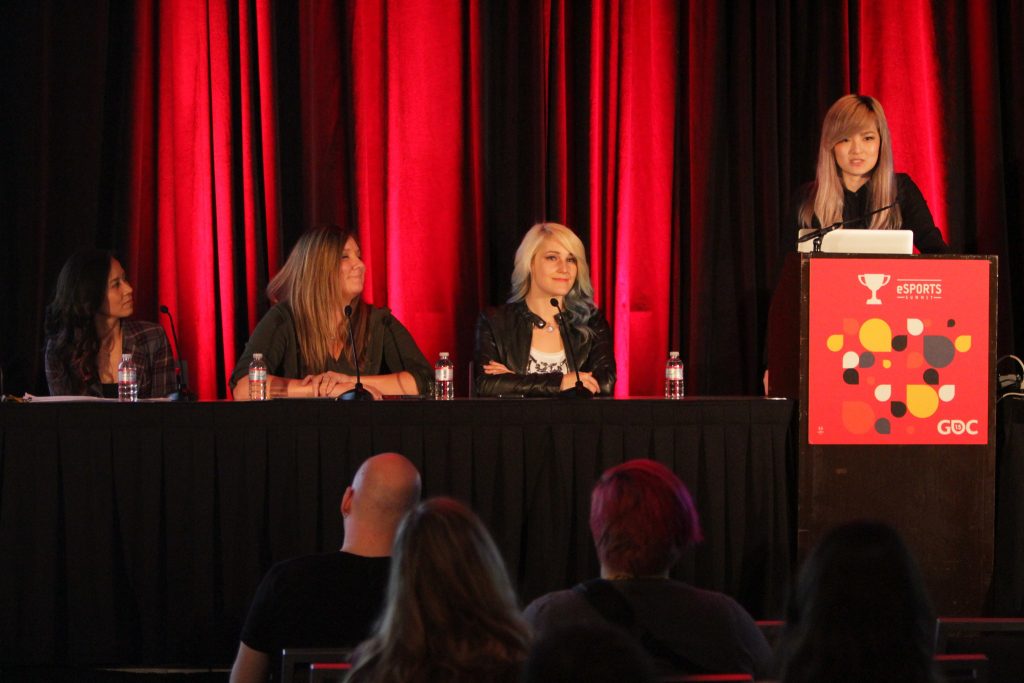
Gaming apprenticeships are not just limited to the direct production of games. There is also an emerging Esports scene, and potential for growth and jobs in events if gaming were supported as a cultural and social activity. We could be creating more Esports jobs here in the UK. Recently, Saudi Arabia has invested heavily in this area, France has widespread public sector support for gaming as a creative industry, Canada has very competitive tax reliefs for gaming, and Finland has built strong support around companies such as Supercell. Investing in UK skills will help ensure we keep our competitive edge.
Wider benefits to the UK
Skills developed for the gaming industry are not limited to the gaming industry itself. The Government has a clear agenda of creating more high-skilled jobs. There is a creative industry skills gap, and UK games industry apprenticeships would ensure we develop more digital skills as a nation. These digital skills are transferable to other creative industries, as well as to sectors such as defense and AI.
Why now when the industry is laying people off?
Although it’s true the industry is going through a cyclic correction after the pandemic boom in gaming, and a number of merges and consolidations, there is still a need for new skilled jobs to come into the industry pipe-line. The gaming industry as a whole remains a successful industry with more potential for rewarding careers in video games.
Why apprenticeships rather than degree routes?
Many Universities offer a range of skilled degrees and qualifications that support the gaming industry. However apprenticeships offer a diversity and range of options for people to get into the gaming industry. The affordability and cost of degrees can also be off-putting to young people who might be interested in obtaining relevant industry skills.
The social benefit
Games are an inclusive and social activity. At a time when the UK faces a loneliness epidemic, they bring people together. They are a particularly valuable way for people in rural areas, or for people with disabilities, to connect with others. Many of our supporters will have developed lifelong friendships with people all over the world through their shared love of playing games.
Games are a safe indoor activity that offer a number of neurological and cognitive benefits to people of all ages. Supporting apprenticeships in gaming helps to create a more fun, social, and happy society.
