Changing how gamers are seen
Beyond the gamer stereotype. For decades, gamers have been boxed into a tired stereotype: a socially awkward teenage boy, alone in his bedroom, disconnected from the real world. That picture no longer reflects reality.
Popular and diverse
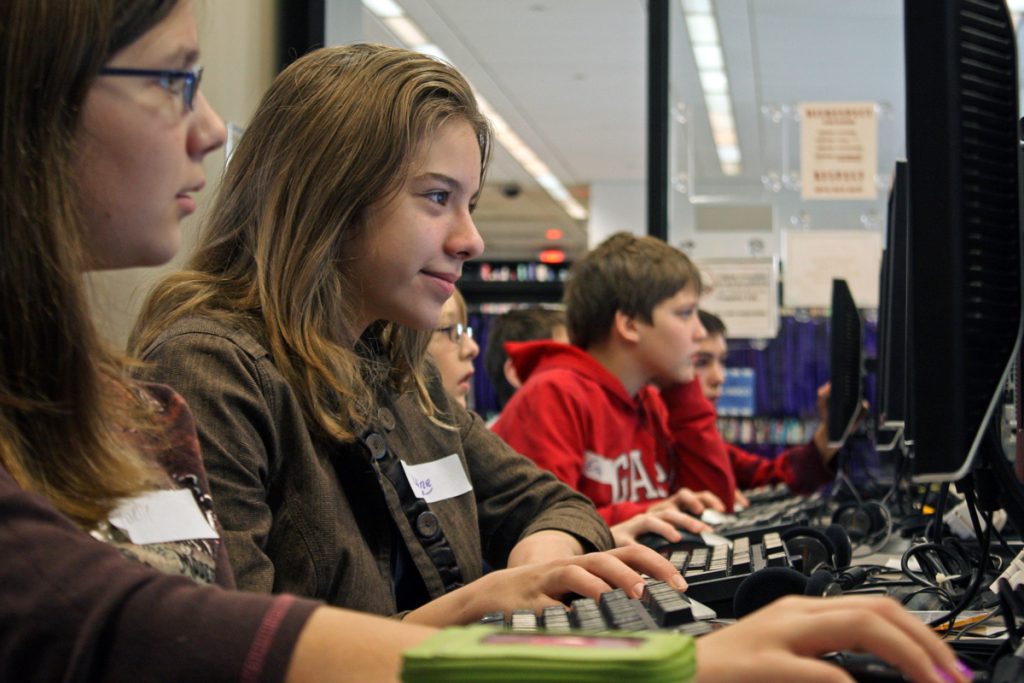
Gaming today is one of the most popular and diverse forms of culture in the UK. According to Ofcom’s Online Nation report, around half of all gamers are women, and players span every age group, background, and ability level. It is also a great activity for familes to enjoy. The Family Gaming Database is a great resource for familes wishing to explore gaming together.
Creativity and connection
Video games meet deeply human needs: fun, relaxation, creativity, challenge, and connection. For many disabled gamers in particular, gaming offers social and competitive spaces often with fewer barriers than physical activities. Organisations such as SpecialEffect have documented how accessible gaming can transform participation and quality of life.
Standing up for culture
At Gamer’s Voice, we challenge negative and misleading portrayals of gamers in the media. We campaign for fair, accurate, and positive representation. Gaming should get recognition as a legitimate cultural and creative medium.
We are working to
- Build a thriving, inclusive community around video games
- Highlight the growth and potential of e-sports in the UK
- Champion the storytelling, performances, artwork, and music that make games one of the most innovative art forms of our time
- Gaming is not a niche hobby. It is culture. And gamers deserve to be represented accordingly.
- Improve the accessibility of video gaming for people with disabilities.
Five positive benefits of gaming
- Improves cognitive and perceptual skills
Research published in Nature has shown that certain video games can improve attention, spatial awareness, and problem-solving skills. - Supports mental health and emotional wellbeing
Large-scale studies from the Oxford Internet Institute found no evidence that time spent gaming harms mental health, and suggest gaming can support wellbeing when enjoyed in balanced ways. - Fosters social connection and community
Online and multiplayer games enable cooperation, teamwork, and long-lasting friendships, particularly for people who may struggle to socialise offline. - Drives creativity, culture, and new forms of art
Video games combine writing, music, visual art, performance, and interactive design, and are increasingly recognised as part of the UK’s cultural landscape. - Powerful tools for learning and social impact
Games are increasingly used in education, skills development, and civic engagement, including in UK schools and universities.